
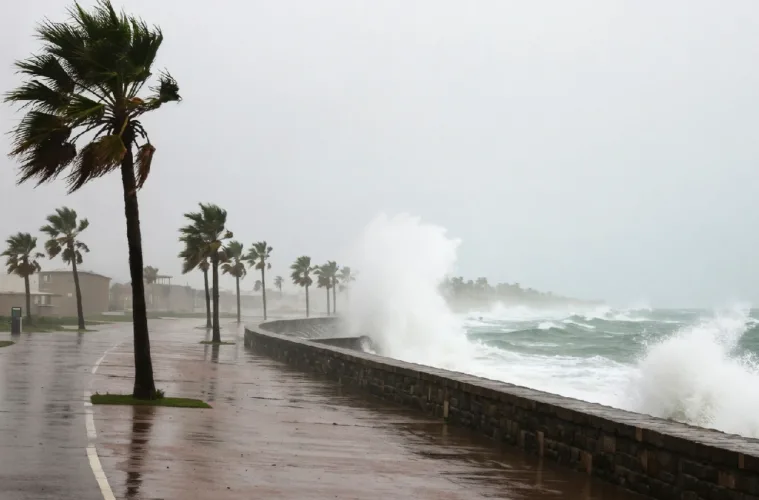
Hurricanes are among the most destructive natural disasters in the United States. High winds, heavy rain, flooding, and storm surges can cause severe damage to homes and commercial buildings within hours. For homeowners and property managers in hurricane-prone regions, preparation is one of the most effective ways to reduce damage and protect lives.
While no property can be made completely hurricane-proof, taking the right precautions before a storm arrives can significantly minimize repair costs and speed up recovery afterward. This guide covers essential hurricane preparedness tips that help protect your property before severe weather strikes.
Why Hurricane Preparation Matters
Every hurricane season brings the potential for property damage, power outages, flooding, and structural destruction. Many homeowners wait until a storm warning is issued before taking action, but by then, stores may be crowded, supplies may be limited, and contractors may already be overwhelmed.
Preparing early gives property owners time to strengthen vulnerable areas, organize emergency supplies, and create a clear safety plan. The more prepared you are before the storm, the lower the risk of severe damage afterward.
Inspect and Reinforce Your Roof
Your roof is one of the most vulnerable parts of any property during a hurricane. Strong winds can loosen shingles, expose weak spots, and allow water to enter the structure.
Before hurricane season begins, inspect the roof for:
- Missing or damaged shingles
- Loose flashing around vents and chimneys
- Signs of leaks or water stains
- Weak or sagging areas
Repairing small issues early can prevent major roof failures during severe weather. Homeowners in high-risk coastal areas may also consider installing hurricane straps or reinforced roofing systems for additional protection.
Secure Windows and Doors
Windows and doors are common entry points for wind and water during hurricanes. Broken windows can allow rain and debris into the home while increasing internal pressure that may damage the roof or walls.
To reduce risk:
- Install storm shutters or impact-resistant windows
- Reinforce garage doors
- Seal gaps around doors and windows
- Use heavy-duty plywood if shutters are unavailable
Properly secured openings can significantly reduce storm-related damage.
Prepare for Flooding and Water Intrusion
Flooding is one of the leading causes of hurricane-related property damage. Even homes outside designated flood zones can experience water intrusion during heavy rainfall.
Property owners should:
- Clean gutters and downspouts
- Ensure proper yard drainage
- Install sump pumps if necessary
- Seal foundation cracks and low-entry points
Keeping water away from the structure is a key part of protecting your property during severe storms.
Protect Outdoor Areas
Outdoor furniture, grills, decorations, and loose equipment can become dangerous projectiles during high winds.
Before the storm arrives:
- Bring lightweight items indoors
- Secure large outdoor furniture
- Trim weak tree branches near the property
- Remove debris from the yard
These simple steps help reduce the risk of impact damage to windows, siding, and vehicles.
Create an Emergency Supply Kit
Power outages and limited access to stores are common after hurricanes. Every household should have an emergency kit prepared before storm season begins.
Essential supplies include:
- Bottled water and non-perishable food
- Flashlights and batteries
- First-aid supplies
- Portable phone chargers
- Important documents stored in waterproof containers
Being prepared can make the aftermath of a storm much safer and less stressful.
Develop a Property Protection Plan
Preparation should include a clear action plan for both families and businesses. Knowing what steps to take before evacuation orders or severe weather warnings can save valuable time.
For businesses, commercial property hurricane preparedness often involves protecting inventory, backing up digital records, securing equipment, and developing employee communication plans before a storm arrives.
A written checklist can help ensure nothing important is overlooked during last-minute preparations.
Review Insurance Coverage Before Hurricane Season
Many property owners only review their insurance policies after damage occurs. However, hurricane preparedness should always include understanding your coverage ahead of time.
Review your homeowner’s or commercial insurance policy to confirm:
- Hurricane and windstorm coverage
- Flood insurance protection
- Deductible amounts
- Documentation requirements for claims
Taking photos of your property and valuable belongings before the season begins can also simplify the claims process if damage occurs.
Know When to Evacuate
Protecting property is important, but personal safety should always come first. Pay attention to local weather alerts and evacuation orders issued by emergency officials.
If evacuation becomes necessary:
- Leave early to avoid traffic congestion
- Follow designated evacuation routes
- Take emergency supplies and important documents
Staying informed through reliable weather sources is essential during hurricane threats.
After the Storm: Act Quickly
Even with preparation, some damage may still occur. After the storm passes, inspect the property carefully for roof leaks, flooding, broken windows, or structural damage.
Document all damage with photos and contact restoration professionals quickly if water intrusion or storm damage is present. Fast response can help prevent mold growth and additional structural issues.
Final Thoughts
Hurricanes can cause devastating property damage, but preparation can greatly reduce the impact. Strengthening vulnerable areas, securing outdoor spaces, reviewing insurance coverage, and creating a clear emergency plan are all essential steps before storm season begins.
The earlier you prepare, the better your chances of protecting your property, minimizing repair costs, and recovering more quickly after severe weather.

