
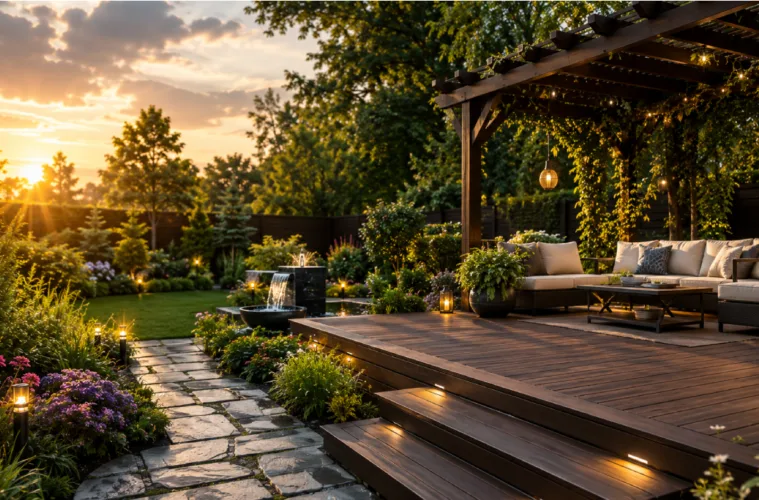
In our increasingly hectic world, finding a place of peace and relaxation is more important than ever. While vacations and retreats offer temporary solace, the ultimate refuge can be much closer to home—in your own garden. With thoughtful design and a focus on tranquillity, you can transform your outdoor space into a serene sanctuary that refreshes the mind and rejuvenates the spirit. In this guide, we’ll explore the key elements of creating the ideal relaxing garden, touching on everything from layout and plant selection to the use of composite timber decking to tie it all together.
Start with a Clear Vision: Understanding Your Space and Needs
The first step in creating a relaxing garden is to envision what relaxation means to you. Is it a space for quiet reflection, a place to entertain friends, or a combination of both? Perhaps you crave a sensory experience filled with the sights, sounds, and scents of nature. Defining your garden’s purpose will guide your design decisions and ensure that every element contributes to the overall sense of calm.
Consider the layout and size of your space. Whether you have a sprawling yard or a small courtyard, your garden can be designed to maximise comfort and utility. Start by sketching a rough plan, identifying areas for different functions: a seating area for relaxation, a dining space for outdoor meals, pathways for leisurely strolls, and perhaps a secluded nook for meditation. Even in a compact garden, thoughtful zoning can make the space feel larger and more functional.
Choose the Right Plants: Crafting a Calming Palette
Plants are the soul of any garden, offering a connection to nature that is essential for relaxation. When selecting plants for your garden, think about the colours, textures, and fragrances that promote a sense of calm. Soft, muted colours like greens, blues, and purples are often associated with tranquillity. Lavender, for instance, is not only visually soothing but also emits a calming fragrance that can enhance your garden’s relaxing atmosphere.
In addition to colour, consider the textures of your plants. Mixing plants with different leaf shapes and sizes creates visual interest and encourages mindfulness as you explore your garden. Incorporate ornamental grasses that sway gently in the breeze, alongside broad-leafed plants that provide lush, verdant coverage.
Layering your plants in a tiered fashion, with taller plants at the back and shorter ones at the front, helps to create depth and a sense of enclosure—both of which contribute to a feeling of safety and seclusion. Use evergreens for year-round structure and add seasonal flowers for changing bursts of colour. Climbing plants like clematis or jasmine can soften vertical spaces, covering walls or trellises with their delicate blooms and fragrances.
Embrace Water Features: The Sound of Serenity
The sound of water is a powerful tool for creating a relaxing garden. Whether it’s the gentle trickle of a small fountain, the soft splash of a pond, or the steady flow of a waterfall, water features bring a soothing auditory element to your outdoor space. The sound of running water can drown out background noise, helping you to tune out the hustle and bustle of everyday life.
Incorporate a water feature that complements the size of your garden. A small, self-contained fountain is perfect for a courtyard, while a larger pond or waterfall might suit a more expansive space. Consider the placement of your water feature to ensure it is visible and audible from your seating areas. Surround it with moisture-loving plants to create a lush, naturalistic setting.
Design for Comfort: Seating and Shelter
Comfortable seating is essential in a relaxing garden. Choose furniture that invites you to linger—whether it’s a cushioned lounge chair, a swinging hammock, or a weatherproof sofa. Position your seating in a spot that offers a pleasant view, perhaps overlooking your favourite plants, a water feature, or an open lawn. Consider using multiple seating options to create various relaxation zones, from sunny spots for soaking up the rays to shaded nooks for cooler respite.
Shelter is another key consideration. While it’s wonderful to enjoy the sun, too much exposure can be uncomfortable. Incorporate shaded areas using pergolas, gazebos, or umbrellas. For a more natural look, plant trees or tall shrubs that provide dappled shade. These structures not only offer protection from the sun but also create a sense of enclosure that enhances the feeling of being in a private retreat.
Incorporate Natural Materials: Harmony with the Environment
One of the most effective ways to create a relaxing garden is to use natural materials that blend seamlessly with the environment. Stone, wood, and gravel paths can guide you through your garden, offering a tactile experience underfoot. Wooden pergolas and fences add warmth and a rustic charm, while stone walls or boulders can provide structure and grounding elements.
When it comes to your garden’s foundation, consider using composite timber decking. This material combines the natural beauty of wood with enhanced durability and minimal maintenance. Composite decking is resistant to the elements, meaning it won’t warp, splinter, or fade over time. It also offers a smooth, comfortable surface for barefoot strolls or yoga sessions, making it an excellent choice for creating a seamless and inviting transition between your indoor and outdoor spaces.
Lighting: Setting the Mood
Lighting plays a crucial role in extending the usability of your garden into the evening hours. Soft, ambient lighting can create a magical atmosphere, turning your garden into a peaceful retreat after the sun goes down. Opt for warm-coloured lights that mimic the gentle glow of candlelight or the golden hues of a sunset.
String lights draped over pergolas or woven through trees add a whimsical touch, while lanterns placed along pathways or nestled among plants can guide your steps and highlight key features. Solar-powered lights are an eco-friendly option, charging during the day and illuminating your garden at night without the need for wiring or electricity.
Consider placing lighting strategically to highlight focal points in your garden, such as a beautiful tree, a sculpture, or a water feature. Subtle uplighting can emphasise the texture of a stone wall or the silhouette of a plant, adding depth and dimension to your space.
Personalise Your Space: Adding Meaningful Details
Finally, infuse your garden with personal touches that reflect your taste and make the space truly your own. Whether it’s a collection of wind chimes that tinkle in the breeze, a favourite sculpture, or a selection of potted plants with sentimental value, these details bring your personality into the space and enhance your connection to it.
Art and sculptures can serve as focal points, drawing the eye and providing interest even when plants are dormant. Choose pieces that resonate with you, whether they are modern, abstract, or classic in style. Consider placing them in spots where they can be discovered gradually as you wander through your garden.
Consider adding elements that engage the senses, such as herbs like rosemary and thyme, which release their fragrance when brushed against, or tactile plants like lamb’s ear with its soft, velvety leaves. A bird feeder or birdbath can attract local wildlife, bringing the soothing sights and sounds of nature even closer.
Maintenance: Keeping Your Sanctuary Serene
A relaxing garden should not become a source of stress, so it’s important to design with maintenance in mind. Choose plants that are well-suited to your climate and soil, reducing the need for constant care. Native plants are often a good choice, as they are adapted to local conditions and tend to be low-maintenance.
Mulching your garden beds can help retain moisture and suppress weeds, while drip irrigation systems ensure that plants get the water they need without the hassle of daily watering. Composite timber decking, mentioned earlier, also plays a role in reducing maintenance, as it doesn’t require regular sealing or staining like traditional wood.
Consider hiring a professional gardener if you find upkeep challenging, or focus on creating a low-maintenance garden that requires minimal intervention. The goal is to enjoy your garden, not to be burdened by its upkeep.
Your Garden of Tranquillity Awaits
Creating the ideal relaxing garden is a deeply personal journey that reflects your tastes, lifestyle, and connection to nature. By carefully considering each element—from plant selection and water features to seating, lighting, and materials like composite timber decking—you can craft a space that offers peace and serenity in the comfort of your own home. Whether your garden is a place for quiet contemplation, joyful gatherings, or simply enjoying the beauty of nature, it can become your sanctuary, a haven where the stresses of the world melt away. Embrace the process, and soon you’ll have a garden that not only relaxes but also rejuvenates, providing a timeless retreat for years to come.

