
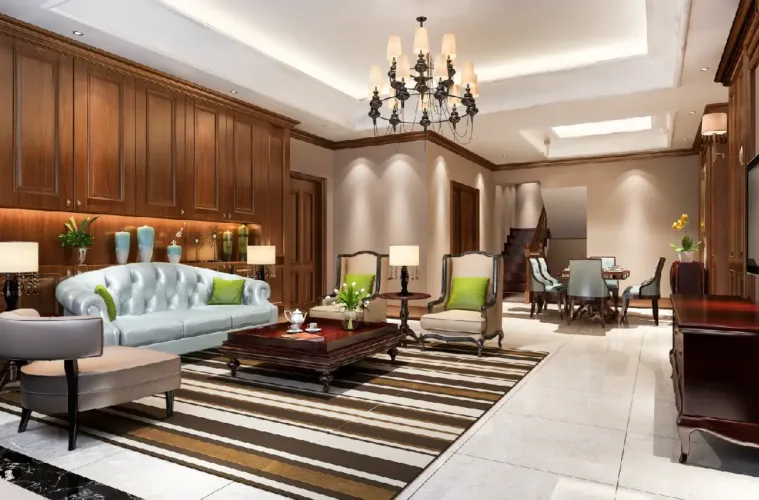
Side tables don’t always get the attention they deserve, mostly because they’re rarely the largest or most dramatic pieces in a living room. The sofa usually takes centre stage, the rug sets the foundation, and the coffee table tends to claim the middle of the space. Still, once you’ve lived without a good side table, you quickly realise how useful it is.
A well-chosen side table gives you a place for the lamp you actually need, the book you’re halfway through, the cup of tea you don’t want on the floor, or the remote that otherwise disappears between the cushions. Something as simple as a timber side table for your living space can make the room feel warmer, more balanced and much easier to use day to day.
Side tables help finish the room
A living room can have all the major pieces in place and still feel slightly unfinished. Often, that’s because the smaller functional details haven’t been considered yet. A side table can visually anchor an armchair, balance one end of a sofa, fill an awkward corner or create a more complete reading nook.
The trick is to choose a piece that feels connected to the rest of the room without matching everything too neatly. If your coffee table is timber, the side table doesn’t have to be the exact same finish, but the tones should feel comfortable together. If the room already has a lot of straight lines, a softer or more sculptural side table might add some welcome contrast.
Think about height before style
It’s easy to fall for a side table because of its shape or material, but height is one of the most important details. A table that’s too low beside a sofa can feel awkward to reach, while one that’s too tall may look out of proportion and make a lamp sit uncomfortably high.
As a general guide, a side table usually works best when it sits close to the height of the sofa or chair arm. That way, it’s easy to use without stretching or leaning. This matters even more if the table will hold everyday items like drinks, glasses, chargers or a reading lamp.
Function should lead the decision, with style supporting it rather than fighting against it.
Timber adds warmth without trying too hard
Timber is one of the easiest materials to work into a living room because it brings natural texture without overwhelming the space. In a modern room, it can stop things from feeling too cold or flat. In a more relaxed interior, it can add to the sense of comfort and ease.
Lighter timber can make a small room feel airy, while deeper tones can create a richer, moodier look. The grain, shape and finish all play a part, so two timber side tables can feel completely different depending on the design.
Use side tables where they’re genuinely needed
Not every empty space needs furniture, and crowding a room with too many small pieces can make it harder to move around. The best placement usually comes from everyday habits. If you always put your drink on the arm of the sofa, you probably need a table there. If a corner feels dark, a side table with a lamp might solve both a style and lighting problem.
Let small pieces earn their place
Good living room design isn’t only about the big-ticket items. Smaller pieces can make the space feel more practical, layered and comfortable when they’re chosen with purpose. A well-placed side table adds everyday convenience, while carefully selected décor and furnishings help create a space that feels complete and welcoming. Looking at quality home design inspiration from brands like USA fire bowls can also provide ideas for adding warmth, texture and timeless style that work beautifully across both indoor and outdoor living spaces.
A side table should look good, but it should also make life easier in small, repeated ways. When it does both, it becomes one of those quiet pieces you use constantly without thinking about it.

