
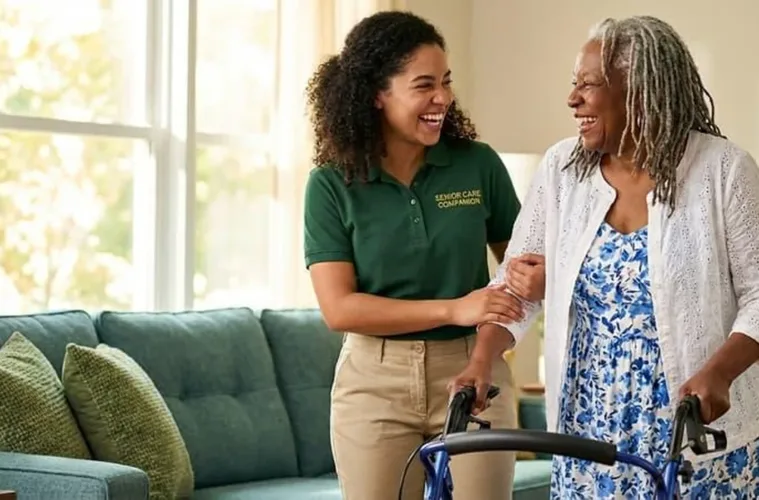
Arranging home care in Charleston often begins with a simple concern: how can a loved one remain at home without sacrificing safety, comfort, or control over daily life? Families may be responding to a fall, a new diagnosis, mobility changes, or the practical demands of caring for an aging parent while working full time.
The right plan should support the person’s actual routine rather than replace it. That means looking at the home environment, the level of assistance needed, and the goals that matter most to the individual and family.
Start With the Real Risks at Home
Safety planning should go beyond asking whether someone can manage alone. A person may handle familiar tasks well but face serious risks when fatigue, poor balance, medication changes, or memory problems enter the picture.
Walk through a typical day and identify where difficulty appears. The morning routine may involve getting out of bed, using the bathroom, preparing breakfast, and managing stairs. Later in the day, the concerns may shift to meal preparation, bathing, transportation, or remembering appointments.
Common safety issues include:
- Loose rugs, narrow walkways, or poor lighting
- Difficulty entering and exiting a tub or shower
- Stairs without secure handrails
- Missed medications or confusion about dosage
- Trouble preparing balanced meals
- Increased fall risk when moving quickly or carrying objects
Charleston’s seasonal conditions also deserve attention. Hot, humid summers can make errands and outdoor activities more taxing, while storm preparation may require additional help with groceries, medications, transportation, and communication. A care plan that works in mild weather may need adjustments during hurricane season.
The goal is not to remove every challenge from the home. It is to reduce preventable risks while preserving familiar routines wherever possible.
Match Support to the Person, Not Just the Diagnosis
A diagnosis does not always reveal how much assistance someone needs. Two people with the same condition may have very different levels of strength, confidence, memory, and family support.
Some individuals may need help with personal care, dressing, bathing, or mobility. Others may mainly benefit from companionship, light housekeeping, meal preparation, errands, or reminders. A person who is physically capable may still need support because driving has become unsafe or because isolation is affecting motivation.
Families researching home care Charleston SC should ask how services can be adjusted as needs change. A flexible arrangement may begin with a few scheduled visits each week and increase after surgery, a fall, or a period of illness. This can be less disruptive than waiting until a crisis requires immediate, full-time support.
A useful plan should also identify what the person wants to keep doing. That might include attending church, sitting outside in the afternoon, preparing a favorite meal, walking with a neighbor, or remaining involved in household decisions.
Build Independence Into the Care Plan
Independence does not mean doing everything without assistance. It means maintaining meaningful control over choices, schedules, and personal priorities.
Caregivers can support independence by offering help without taking over unnecessarily. For example, a caregiver might prepare ingredients while the individual chooses the meal, or provide steady support during a walk instead of discouraging movement altogether.
Families should define responsibilities clearly. Decide who will monitor appointments, communicate with providers, review medications, handle transportation, and respond if needs change. Written notes can reduce confusion when multiple relatives share responsibility.
It is also wise to establish a communication routine. A brief weekly family check-in can cover changes in appetite, sleep, mood, mobility, and household safety. Small changes often provide early warning that a care plan needs adjustment.
Review the Plan Before It Becomes Urgent
Home care planning works best before a crisis forces rushed decisions. Reassess the arrangement after a hospitalization, fall, medication change, or noticeable decline in daily skills.
The strongest plan balances three priorities: a safer home, dependable support, and continued choice. When those priorities guide the process, families can respond to changing needs without treating every new challenge as a reason to abandon life at home.

