
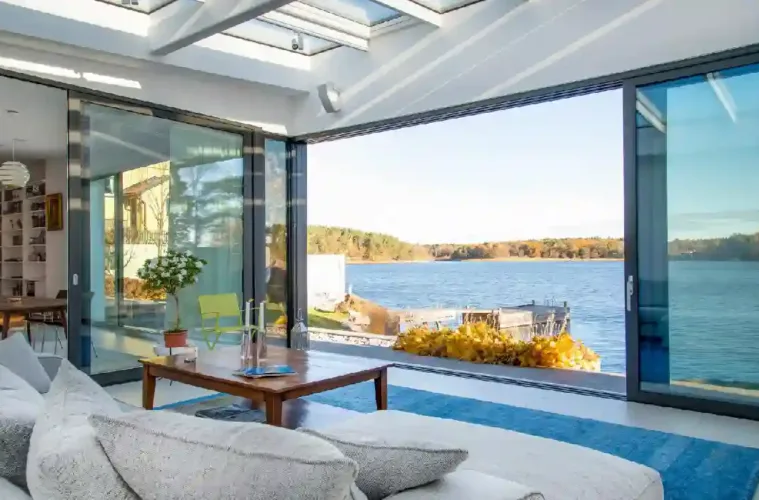
The mid-century modern architectural style emerged in the mid-20th century, bringing with it a focus on clean lines, functionality, and a strong connection to nature. This design philosophy emphasizes simplicity and the seamless integration of indoor and outdoor spaces. When applied to a mountainous landscape, this style offers a unique opportunity to create a home that feels both grounded and expansive.
Mountain environments naturally command attention through their rugged terrain, towering trees, and dramatic weather patterns. Pairing this untamed backdrop with the structured, minimalist approach of mid-century design creates a visually striking contrast. The architecture frames the wild landscape, while the interior design provides a warm, comfortable refuge from the elements.
Designing a home that successfully merges these two elements requires careful planning and a deep understanding of both aesthetics. This guide provides actionable interior design tips to help you blend the sleek, functional characteristics of mid-century modernism with the rustic, natural beauty of a mountain setting. By following these principles, you can create a cohesive space that honors its architectural roots and its geographic location.
Key Principles of Mid-Century Mountain Design
Achieving a balance between retro architecture and an alpine environment starts with the foundational elements of the room. The goal is to allow the natural surroundings to take center stage while maintaining the distinct character of the mid-century style.
Prioritize Large Windows and Natural Light
A hallmark of mid-century modern architecture is the extensive use of glass. Floor-to-ceiling windows and sliding glass doors serve a dual purpose in a mountain home. They allow maximum natural light to enter the space, which is highly beneficial in heavily wooded or shaded alpine areas. Furthermore, these large panes of glass act as dynamic, living artwork, bringing the changing seasons and dramatic views directly into the living space.
To maximize this effect, keep window treatments minimal. If privacy or light control is necessary, opt for simple, unobtrusive options like motorized solar shades or sheer linen curtains that tuck away cleanly when not in use.
Incorporate Natural Materials
Using organic materials is crucial for bridging the gap between the structured interior and the wild exterior. Mid-century design heavily favors wood, stone, and leather. In a mountain setting, you can adapt these materials to reflect the local environment.
Select woods with rich, warm tones like teak, walnut, or cedar for paneling, exposed beams, and flooring. These woods provide a classic mid-century feel while echoing the surrounding forests. Incorporate local stone for fireplaces or accent walls. A large, stacked-stone fireplace serves as an excellent focal point that anchors the room and provides essential warmth during cold mountain winters.
Selecting Furniture and Decor
The furniture you choose will dictate how the space functions and feels. Mid-century modern furniture is celebrated for its lack of ornamentation and emphasis on form following function.
Choose Iconic Mid-Century Silhouettes
Furnish your rooms with pieces that feature the clean lines, gentle curves, and tapered legs characteristic of the 1950s and 1960s. Items like a classic lounge chair, a low-profile sofa, or a geometric coffee table instantly establish the design era.
Keep the layout uncluttered. Mid-century design relies on negative space to allow each piece of furniture to stand out. In a mountain home, an open, uncluttered floor plan also ensures that views remain unobstructed and natural light can penetrate deep into the interior.
Layer Warm, Earthy Textiles
Mountain living requires a level of coziness and warmth that standard mid-century design can sometimes lack. You can soften the hard lines and minimal aesthetic by introducing tactile fabrics.
Incorporate thick wool rugs, sheepskin throws, and heavy woven blankets. These textiles add necessary physical warmth and introduce texture, making the space feel inviting. Stick to natural fibers like wool, cotton, and leather to maintain consistency with the organic design philosophy.
Color Palettes That Complement the Landscape
Color selection plays a significant role in tying the interior to the exterior. The right palette will make the transition between the inside of the home and the mountain landscape feel natural and intentional.
Ground the Space with Earth Tones
Start with a foundation of muted, nature-inspired colors. Shades of moss green, slate gray, deep rust, and warm mustard work exceptionally well. These colors mimic the tones found in rocks, pine needles, and autumn foliage. Using these shades for large surface areas—such as walls, large rugs, or major upholstery pieces—creates a calm, grounded environment that reflects the world outside.
Add Strategic Pops of Color
Mid-century modern design often utilizes bold accent colors. You can apply this technique to a mountain home by selecting vibrant hues that still relate to nature. A single accent chair in burnt orange or a collection of ceramic vases in deep teal can add visual interest without overwhelming the rustic setting. Keep these bright colors localized to small decor items or singular pieces of furniture so they act as highlights rather than the main attraction.
Designing Functional and Flowing Spaces
The layout of your home affects how you interact with the space and the environment around it. Mid-century architecture championed the concept of functional living areas that flow easily into one another.
Embrace Open Floor Plans
Remove unnecessary partitions to create a spacious, interconnected living area. An open floor plan combining the kitchen, dining, and living rooms facilitates socialization and makes the home feel larger. It also ensures that the warmth from a central fireplace and the light from large windows can reach all areas of the main living space. Define different functional zones using area rugs and strategic furniture placement rather than walls.
Blur the Line Between Indoors and Outdoors
Create a seamless transition to outdoor living spaces to fully capitalize on the mountain setting. Extend the same flooring material from the interior living room to an outdoor patio or deck. Use sliding or folding glass doors that can be opened entirely during the warmer months. Outfit your outdoor areas with weather-resistant furniture that mimics the mid-century style of your interior pieces. This approach effectively doubles your usable living space and encourages a lifestyle connected to the outdoors.
Elevate Your Mountain Home Design
Combining mid-century modern design with a mountainous landscape results in a sophisticated, timeless home. By prioritizing natural light, utilizing organic materials, and selecting functional, iconic furniture, you can create a space that respects both its architectural heritage and its rugged surroundings. Careful attention to color palettes and open floor plans will further ensure the home remains a comfortable, visually appealing retreat. Review your current space, identify areas where you can introduce these principles, and begin transforming your property into a cohesive mountain sanctuary.

